
Waking at the same hour most nights — often somewhere between 2 and 4 a.m. — usually isn't random. Declining melatonin, perimenopausal hormone shifts, and your body's naturally rising early-morning cortisol all make sleep lighter and more easily interrupted in its second half. The fix isn't a single trick; it's addressing sleep architecture, hormones, and your response in the moment you wake.
Same time, almost every night. You don't even need the clock anymore — you just know it's "that hour" again.
It's tempting to write it off as bad luck, stress, or "just getting older." But there's real physiology behind it, and understanding it changes what you do next — instead of lying there doing the math on how many hours of sleep you have left.
Why does this happen so consistently after 40?
Sleep isn't one uniform state all night. It moves through cycles, and the second half of the night naturally contains less deep, slow-wave sleep and more light sleep — the stage most easily disrupted by anything: a sound, a temperature change, a full bladder, or a hormone shift.
As we age, that balance shifts further toward lighter sleep. Add a fairly consistent internal circadian clock, and it makes sense that the "vulnerable window" for waking lands at a similar hour most nights — for many women, that's the early hours of the morning.
Is it really about melatonin?
Partly, yes. Melatonin — the hormone that helps regulate your sleep-wake cycle — is produced in smaller amounts as we age. Research on circadian rhythms and aging shows this decline can start as early as midlife, and it correlates with more fragmented, lighter sleep overall, not just trouble falling asleep.
It's not that melatonin "runs out" at a specific hour like a car out of gas. It's more that a weaker overall signal makes your sleep less stable across the whole night, including the early morning hours.
How does perimenopause make this worse?
If you're in your 40s or 50s, perimenopause deserves a serious look. Night waking is one of the most common and least talked-about symptoms of the transition — driven by hot flashes and night sweats, but also by estrogen and progesterone fluctuations that affect sleep regulation directly, independent of temperature.
We map the fuller symptom picture in our perimenopause checklist — night waking is on that list for a reason; it's often one of the earliest signs, showing up before cycles visibly change.
What's happening with cortisol at that hour?
Cortisol, your primary stress hormone, naturally begins rising in the hours before you'd normally wake up — it's part of what gets your body ready for the day. Under chronic stress, that rise can start earlier or spike more sharply, nudging you out of light sleep before your alarm ever goes off.
Overnight blood sugar dips can trigger a similar effect: as glucose drops during the fasting hours of sleep, the body can release cortisol and adrenaline to bring it back up — another plausible piece of the early-waking puzzle, particularly if dinner was light or early.
What should you do in the moment you wake up?
What you do in the first few minutes matters more than most people think.
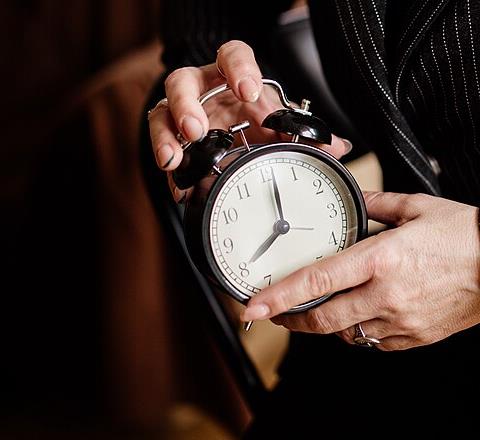
- Don't check the time. Seeing "3:14" starts a math problem your brain doesn't need — the anxiety of counting hours left is often what turns a brief waking into a long one.
- Don't reach for your phone. Screen light signals your brain that it's daytime, working directly against falling back asleep.
- Give it about 20 minutes. Lying there relaxed is fine for a while — don't panic the moment you're awake.
- If you're still awake after 20 minutes, get up. Go to another room with dim light and do something quiet and boring — folding laundry, reading something unstimulating. This is called stimulus control, a core technique in CBT-I (Cognitive Behavioral Therapy for Insomnia), the most evidence-backed treatment for chronic sleep problems. It works by breaking the association between "lying in bed" and "being awake and frustrated."
- Return to bed only when sleepy. Not just tired — actually sleepy, eyes-drooping sleepy.
How do you prevent it from happening as often?
Cool the room. 65–68°F (18–20°C) supports deeper sleep and blunts night-sweat disruptions.
Watch dinner and alcohol. A very light dinner can contribute to overnight blood sugar dips; alcohol helps you fall asleep, then fragments sleep a few hours later — often right around that vulnerable early-morning window.
Keep a consistent wake time. Counterintuitively, this stabilizes your circadian rhythm more than an earlier bedtime does, and it's the single habit sleep specialists recommend most.
Move during the day. Regular activity — including a simple daily walk — is linked with deeper, less fragmented sleep. If daytime energy is also a struggle, our guide on midlife fatigue covers the fuller picture.
When should you see a doctor?
Bring it up if night waking happens most nights for more than a few weeks, if it comes with loud snoring or gasping (possible sleep apnea, underdiagnosed in women), if hot flashes are severe enough to soak through sleepwear, or if daytime function is genuinely suffering. CBT-I, hormone therapy conversations, and sleep studies are all legitimate paths — you don't have to just live with it.
Frequently asked questions
Why do I wake up at the exact same time every night?
Your circadian rhythm is fairly consistent night to night, and sleep is naturally lighter in its second half. After 40, declining melatonin, perimenopausal shifts, and rising early-morning cortisol can turn that light-sleep window into a full wake-up — often at a similar hour.
Is waking up at 3 a.m. a sign of perimenopause?
It can be — night waking is one of the most common perimenopause symptoms, often from hot flashes or hormone fluctuations affecting sleep directly. It's not the only cause, but it's one of the most likely for women in their 40s and 50s.
What should I do when I can't fall back asleep?
Don't check the time or your phone. After about 20 minutes still awake, get up, go to a dim room, and do something quiet until you're genuinely sleepy, then return to bed. This "stimulus control" approach is core to CBT-I, the leading evidence-based insomnia treatment.
Does melatonin help with 3 a.m. waking?
It may help you fall asleep faster initially, but it has a short half-life and is often cleared from your body well before the early morning hours, so it doesn't reliably prevent later waking. Talk to your doctor before starting any supplement.
Sources
- National Institute on Aging — sleep and aging, circadian rhythm changes. nia.nih.gov
- Sleep Foundation — menopause and sleep; melatonin and sleep. sleepfoundation.org
- The Menopause Society — perimenopause and sleep disruption. menopause.org
- American Academy of Sleep Medicine — CBT-I and stimulus control for insomnia. aasm.org

Chris S. — Founder & Writer
Chris is 46 and living the same chapter she writes about. She started The Well Chapter to turn solid sources into calm, practical guidance for women navigating the changes that come after 40 — without hype, fear, or miracle promises.