
Heart disease is the leading cause of death in women, and risk climbs noticeably after menopause as estrogen's natural cardiovascular protection fades — within about a decade, women's heart disease risk approaches men's. This isn't inevitable decline; it's a shift that responds directly to blood pressure, cholesterol, movement, and diet. Knowing your actual numbers, not just how you feel, is the real starting point.
Heart health rarely gets the airtime hot flashes or weight get in conversations about midlife. That's a genuine gap — because for most women, this is the single biggest health shift happening quietly in the background of this decade.
The good news is that it's also one of the most modifiable. Unlike some of what changes after 40, heart disease risk responds directly and measurably to what you do.
Why does heart disease risk rise after menopause?
Estrogen offers real, measurable cardiovascular protection — it helps keep blood vessels flexible, supports healthy cholesterol levels, and has anti-inflammatory effects on the vascular system. Before menopause, this gives women a meaningful advantage over men in average heart disease risk at the same age.
As estrogen declines through perimenopause and menopause, that protective effect fades. Research consistently shows women's cardiovascular risk rises measurably in the years following menopause, closing the gap with men's risk within roughly a decade.
What's actually changing — cholesterol, blood pressure, and blood vessels?
Several shifts tend to happen together around this transition: LDL ("bad") cholesterol often rises while HDL ("good") cholesterol effects become less favorable, blood pressure frequently increases, and blood vessels can become modestly stiffer. None of these changes are dramatic overnight — they accumulate gradually, which is exactly why regular checkups matter more now than they may have felt necessary before.
What are the numbers you should actually know?
- Blood pressure: under 120/80 mmHg is the general target, though your doctor may set a different goal based on your health profile.
- LDL cholesterol: generally under 100 mg/dL, with lower targets for higher-risk individuals.
- Waist circumference: a rough proxy for visceral fat, which carries more cardiovascular risk than fat elsewhere — tying into the same pattern covered in our menopause belly guide.
- Fasting blood sugar and A1C: relevant since blood sugar regulation and cardiovascular risk are closely linked.
The single most useful thing most women can do this year: actually get these numbers checked, rather than estimating from how you feel. Cardiovascular risk factors are frequently symptom-free until they aren't.
What actually helps — evidence-based prevention?
Move regularly, most days. Regular aerobic activity is one of the most consistently evidenced interventions for cardiovascular risk reduction — our walking plan is a realistic starting point.
Don't skip strength training. Beyond bone and muscle benefits covered in our bone density guide, resistance training also supports healthy blood pressure and metabolic function.
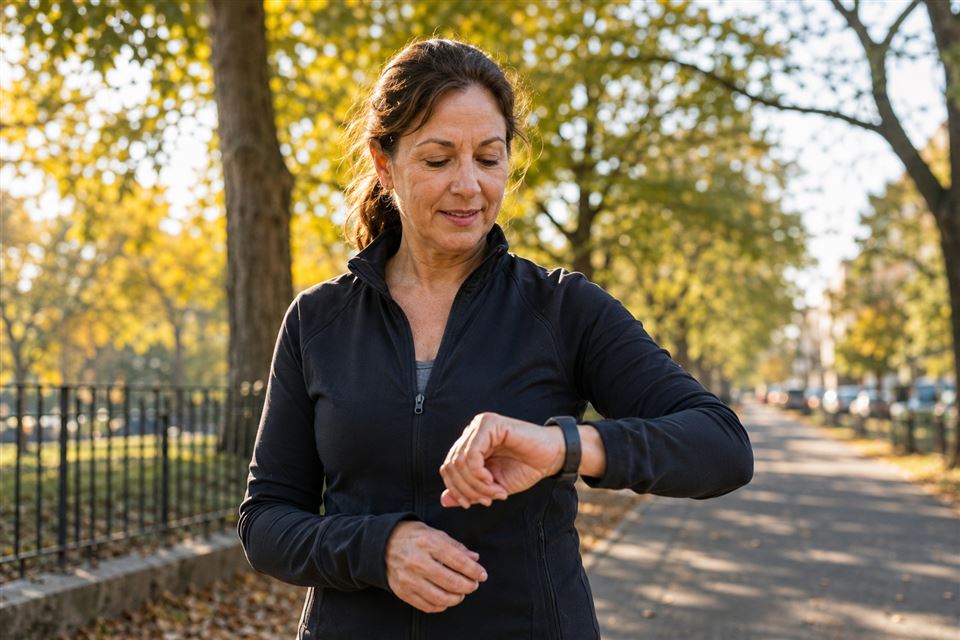
Prioritize sleep and stress management. Both chronic poor sleep and unmanaged stress are linked to elevated blood pressure and cardiovascular risk — the same fundamentals covered in our cortisol guide apply directly here.
Rethink saturated fat and sodium, not just calories. Heart-protective eating patterns (like the Mediterranean-style approach) consistently outperform calorie-focused approaches alone for cardiovascular outcomes specifically.
Don't smoke, and limit alcohol. Both are independent, well-documented cardiovascular risk factors, and their impact compounds with the hormonal shifts already happening.
Does hormone therapy affect heart health?
The relationship is genuinely nuanced and timing-dependent. Starting hormone therapy closer to menopause onset (generally within about 10 years) appears neutral to modestly protective for cardiovascular health in many women, based on more recent, timing-focused research than the early-2000s studies that first raised alarm. Starting much later carries a different risk profile. This is precisely the kind of decision that benefits from a real conversation with your doctor about your personal history and timing — not a blanket rule in either direction.
When should you get your heart checked?
An annual checkup that includes blood pressure and cholesterol is reasonable for most women starting in their 40s, sooner or more frequently if you have risk factors like family history, diabetes, or smoking history. Bring up any new or unusual symptoms — including the less "classic" ones described below — promptly rather than waiting for your next scheduled visit.
Frequently asked questions
Is heart disease really a bigger risk for women after menopause?
Yes. Estrogen offers natural cardiovascular protection before menopause; that gap narrows and closes within about a decade after. Heart disease is the leading cause of death in women overall.
What blood pressure and cholesterol numbers should I know?
General targets are blood pressure under 120/80 mmHg and LDL cholesterol under 100 mg/dL, though personal targets vary. The key step is actually knowing your numbers.
Does hormone therapy protect or harm heart health?
It's timing-dependent — starting within about 10 years of menopause onset appears neutral to modestly protective for many women; starting later carries different risk. Worth a real conversation with your doctor.
What symptoms of heart problems do women often miss?
Unusual fatigue, shortness of breath, nausea, or jaw/back pain — often without dramatic chest pain. This under-recognition is a documented reason women's heart attacks are sometimes caught later.
Sources
- American Heart Association — heart disease in women; Go Red for Women. heart.org
- CDC — women and heart disease facts. cdc.gov
- National Heart, Lung, and Blood Institute (NIH) — menopause and heart health. nhlbi.nih.gov
- The Menopause Society — hormone therapy and cardiovascular risk. menopause.org
Chris S. — Founder & Writer
Chris is 46 and living the same chapter she writes about. She started The Well Chapter to turn solid sources into calm, practical guidance for women navigating the changes that come after 40 — without hype, fear, or miracle promises.