
Walking is the most sustainable fat-loss exercise for women over 40: a brisk daily walk burns 200–300 calories without spiking appetite, stress, or injury risk. Aim for 7,000–8,000 steps daily, built up gradually, at a pace where you can talk but not sing. Pair it with two weekly strength sessions and you've covered the essentials.
Somewhere along the way, fitness culture convinced us that exercise only counts if it hurts. HIIT, boot camps, "no excuses" — and a trail of women over 40 with cranky knees and abandoned gym memberships.
Meanwhile, the humble walk keeps quietly outperforming everything on the metric that actually matters: what you'll still be doing a year from now.
Why is walking so effective after 40 specifically?
It doesn't fight your appetite. Intense exercise often triggers compensatory hunger — you burn 400 calories, then eat 500. Moderate walking burns fat without ringing the hunger bell, which research suggests is one reason walkers keep weight off.
It doesn't spike cortisol. After 40, stress hormones already run high. Punishing workouts add to the load; walking lowers it — and lower cortisol means less abdominal fat storage, as we explain in our menopause belly guide.
It's kind to joints. Perimenopause often brings new joint aches. Walking strengthens without pounding.
It improves sleep. Daily walkers fall asleep faster and sleep deeper — and better sleep means better appetite control, the cycle we map in The Sleep–Weight Connection.
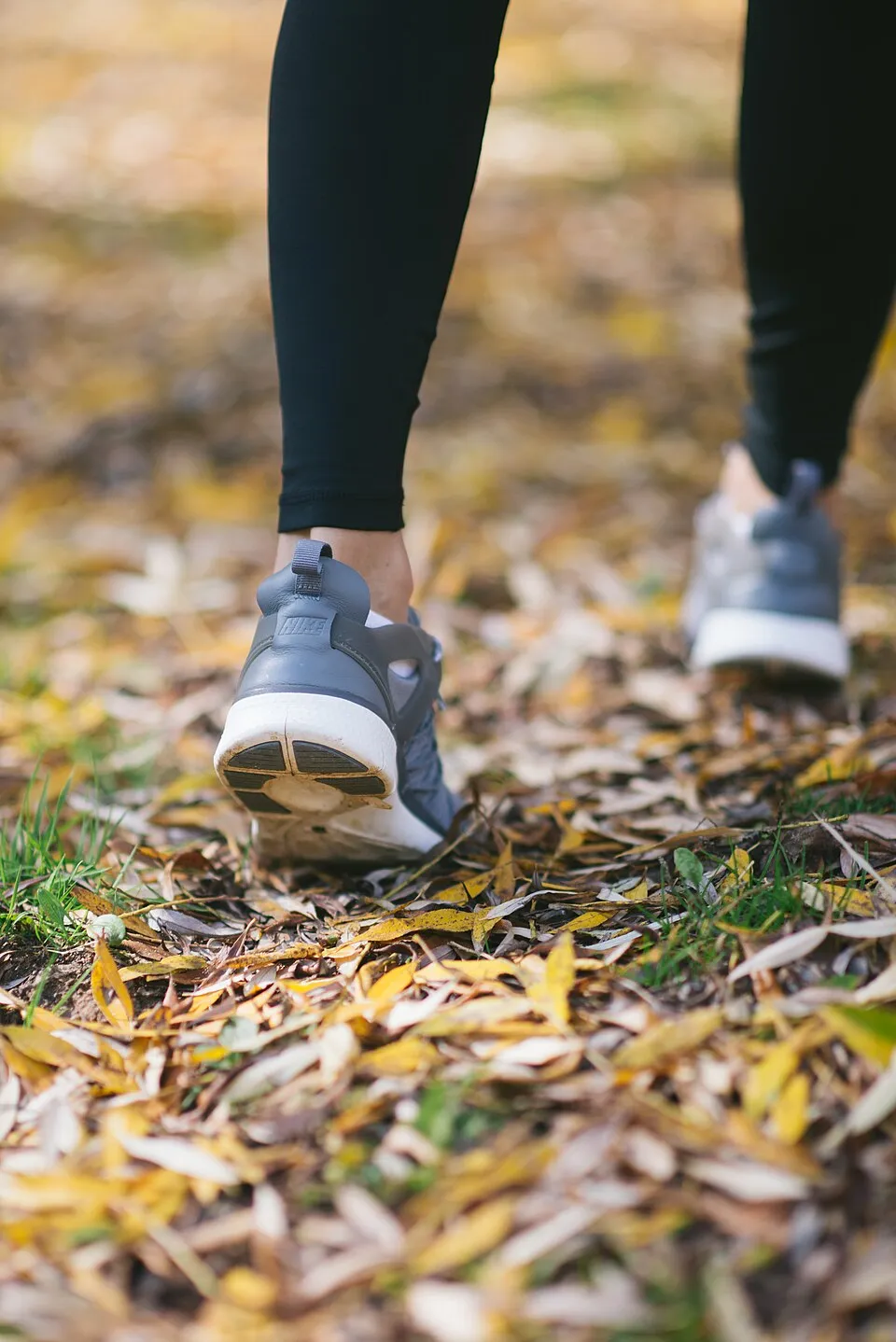
The 8-week realistic walking plan
This plan assumes a busy life, an unpredictable schedule, and zero interest in suffering. Adjust freely — the only rule is consistency over perfection.
Weeks 1–2: build the habit
- 15–20 minutes, 5 days a week, any comfortable pace
- Attach it to an anchor: after morning coffee, after dinner, during a daily call
- Goal: show up, not perform
Weeks 3–4: add briskness
- 25–30 minutes, 5 days a week
- Middle 10 minutes at a brisk pace — you can talk, but singing would be hard
- Track your steps to learn your baseline
Weeks 5–6: add intervals
- 30–40 minutes, 5–6 days a week
- Alternate 3 minutes brisk / 3 minutes easy — intervals raise the burn without the burnout
- Aim for +1,000 daily steps over your baseline
Weeks 7–8: make it yours
- 45 minutes most days, or split into two shorter walks — the fat-loss math is the same
- Add gentle hills or an incline if you have a treadmill
- Target zone: 7,000–8,000 steps daily, most days
What makes walking work even better?
Add strength twice a week. Walking protects your heart; lifting protects your muscle — and muscle is your metabolism. Our beginner's strength guide pairs perfectly with this plan.
Eat protein first. Fat loss follows the plate more than the pedometer. The walking creates the deficit; protein makes sure the loss is fat, not muscle (targets here).
Walk after meals when you can. Even 10 minutes after dinner blunts the blood-sugar spike — a small habit with outsized metabolic returns.
Make it pleasant, not efficient. Podcast, park, friend, dog. Pleasant walks happen; efficient ones get skipped.
Do shoes and gear matter?
One thing matters: comfortable, supportive shoes with room for your toes — replace them when the cushioning dies (roughly every 300–500 miles). Everything else — trackers, poles, apparel — is optional. A phone in your pocket counts steps just fine.
When should you check with a doctor first?
Walking is the safest exercise there is, but check in first if you have heart disease, chest pain or unusual breathlessness with exertion, dizziness, or a joint condition that worsens with activity. And if you're returning from years of inactivity, weeks 1–2 of this plan are exactly where to start — gently.
Frequently asked questions
Can you really lose weight just by walking?
Yes — paired with reasonable eating. A brisk daily 45-minute walk burns 200–300 calories without triggering compensatory hunger, and it's sustainable for years, which is where every aggressive plan fails.
How many steps a day should I aim for?
Benefits climb steeply up to about 7,000–8,000 daily steps in midlife. Build gradually — +1,000 steps every week or two beats chasing 10,000 from day one.
Is walking enough, or do I need more?
Walking covers cardio; it doesn't preserve muscle. The winning combination after 40: daily walking plus two short strength sessions a week.
Does walking speed matter?
Yes — brisk (talk but not sing) burns meaningfully more and drives the heart benefits. Intervals of 3 minutes brisk / 3 easy raise the burn without the grind.
Sources
- Paluch AE, et al. Steps per day and all-cause mortality in middle-aged adults (CARDIA study). JAMA Network Open, 2021. PubMed
- Physical Activity Guidelines for Americans. health.gov
- CDC — walking and physical activity resources. cdc.gov
- National Institute on Aging — exercise and physical activity. nia.nih.gov
Chris S. — Founder & Writer
Chris is 46 and living the same chapter she writes about. She started The Well Chapter to turn solid sources into calm, practical guidance for women navigating the changes that come after 40 — without hype, fear, or miracle promises.