
Iron is one of the rare nutrients where the answer after 40 is genuinely "you may need less" — once periods stop, recommended intake drops from 18mg to 8mg daily, the same as men, because the body no longer loses iron through monthly bleeding. But it's not universal: perimenopause with heavy bleeding, vegetarian or vegan diets, and absorption issues can still put you at risk. And unexplained low iron after menopause is worth a doctor's attention, since it's no longer explained by periods and deserves a closer look.
Most nutrient conversations after 40 are about needing more of something. Iron is a genuine exception — for a lot of women, the number on the label actually goes down, not up, once menstruation stops.
That doesn't mean iron stops mattering. It means the reasons to pay attention to it shift.
Why do iron needs change after 40?
Iron requirements are tied closely to menstrual blood loss. Premenopausal women need 18mg of iron daily to replace what's lost through periods — nearly double the 8mg recommended for adult men. Once periods stop permanently at menopause, that extra requirement disappears, and the recommended intake drops to match men's: 8mg daily.
Perimenopause complicates this timeline, since periods often become irregular — sometimes heavier, sometimes lighter — before stopping altogether, which means iron needs during that transition can vary and aren't as simple as "not yet menopausal, still need 18mg."
Who's still at risk after 40?
Heavy perimenopausal bleeding: some women experience heavier or more frequent periods during perimenopause before things settle, which can deplete iron just as much as it did earlier in life.
Vegetarian and vegan diets: plant-based iron (non-heme iron) is absorbed less efficiently than the iron in meat, fish, and poultry (heme iron), so anyone avoiding animal products needs to be more deliberate about iron-rich foods regardless of menstrual status.
Absorption issues: conditions affecting the digestive tract, and some medications that reduce stomach acid, can lower how much iron actually gets absorbed from food — a similar mechanism to what affects B12 absorption after 40.
Unexplained deficiency after menopause: the most important risk category. Once periods are no longer a factor, low iron deserves real investigation rather than assumption — more on this below.
What foods are highest in iron?
- Red meat, poultry, and fish (heme iron — absorbed efficiently)
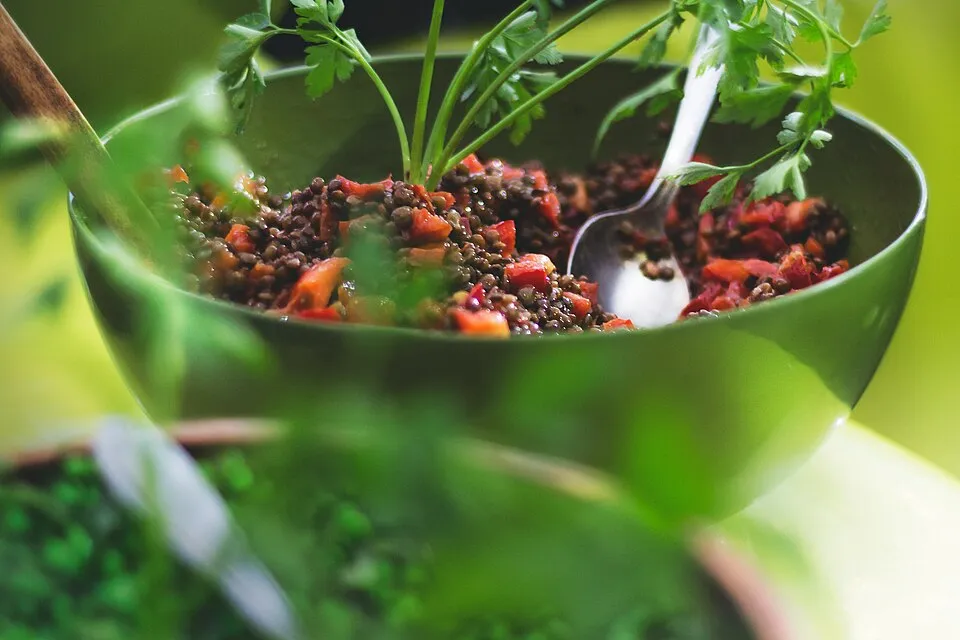
- Lentils, beans, and chickpeas (non-heme iron)
- Spinach and other leafy greens
- Fortified cereals and whole grains
Pairing non-heme (plant) iron sources with vitamin C — citrus, bell peppers, tomatoes — meaningfully improves how much actually gets absorbed, a simple pairing worth knowing if you eat mostly plant-based iron sources.
Why unexplained low iron after menopause deserves attention
Because menstrual blood loss is off the table after menopause, a new finding of low iron or anemia at that stage is generally taken more seriously by doctors — not as an emergency, but as a prompt to look for another explanation, most often something affecting the digestive tract. This is standard, sensible medical practice, not a reason to panic if you're told your iron is low; it just means the "why" gets investigated more thoroughly than it would in a 30-year-old with heavy periods.
When should you talk to a doctor about iron?
Worth a conversation if you have persistent fatigue, unusual paleness, or shortness of breath with mild exertion — classic anemia symptoms — or if a routine blood test flags low iron or hemoglobin, especially after menopause. Iron supplements should be based on a confirmed deficiency, not taken preventively, since excess iron can build up in the body over time.
Frequently asked questions
Do I need less iron after menopause?
Generally yes — intake drops from 18mg to 8mg daily, the same as men, once periods stop and the body no longer loses iron monthly.
What foods are highest in iron?
Red meat, poultry, and fish (heme iron, absorbed well); lentils, beans, spinach, and fortified cereals (non-heme, pairs well with vitamin C).
Can iron supplements cause side effects?
Yes — constipation and nausea are common, and excess iron can build up over time. Base supplementation on a confirmed deficiency, not as a precaution.
Why would a doctor investigate low iron after menopause?
Since periods no longer explain blood loss, doctors typically look for another cause, such as GI bleeding — a sensible precaution, not a reason for alarm.
Sources
- National Institutes of Health, Office of Dietary Supplements — iron fact sheet. ods.od.nih.gov
- Harvard T.H. Chan School of Public Health — iron. hsph.harvard.edu

Chris S. — Founder & Writer
Chris is 46 and living the same chapter she writes about. She started The Well Chapter to turn solid sources into calm, practical guidance for women navigating the changes that come after 40 — without hype, fear, or miracle promises.