
Your gut, mood, and weight are more connected after 40 than most people realize — declining estrogen genuinely affects gut microbiome diversity, and gut bacteria communicate directly with the brain through the well-documented gut-brain axis. This isn't a single symptom but a web of connections: the same hormonal shift behind bloating also touches digestion, mood, and metabolism. Fiber, fermented foods, hydration, and stress management all have real evidence behind them here.
Bloating, mood swings, stubborn weight changes — on the surface, these can feel like three unrelated frustrations of this decade. Underneath, they share more biology than you'd expect, and a lot of it traces back to your gut.
This isn't about a trendy "gut reset." It's about understanding a real, hormone-driven connection that explains why several changes tend to show up around the same time.
Does gut health really change after 40?
Yes, and the mechanism is well documented. Estrogen receptors are present throughout the digestive tract, and estrogen appears to help maintain a diverse, balanced gut microbiome — the trillions of bacteria that influence digestion, immune function, and more. As estrogen declines through perimenopause and menopause, that diversity tends to shift, which can show up as new digestive symptoms even in women with no previous history of gut issues.
The gut-mood connection: what's the science?
Real and increasingly well-studied. Your gut produces a significant share of the body's serotonin, and gut bacteria communicate with the brain through several documented pathways — collectively known as the gut-brain axis. This means gut health and mood genuinely influence each other, which may partly explain why digestive symptoms and mood changes so often show up together during this transition, connecting directly to what we cover in our mood swings guide and anxiety guide.
What about bloating and digestion specifically?
Bloating is one of the most visible, immediate symptoms of this broader gut shift — we cover the specific hormonal mechanism in detail in our perimenopause bloating guide. Beyond bloating, some women also notice new sensitivity to foods that never bothered them before, changes in regularity, or general digestive unpredictability — all plausibly connected to the same shifting gut environment.
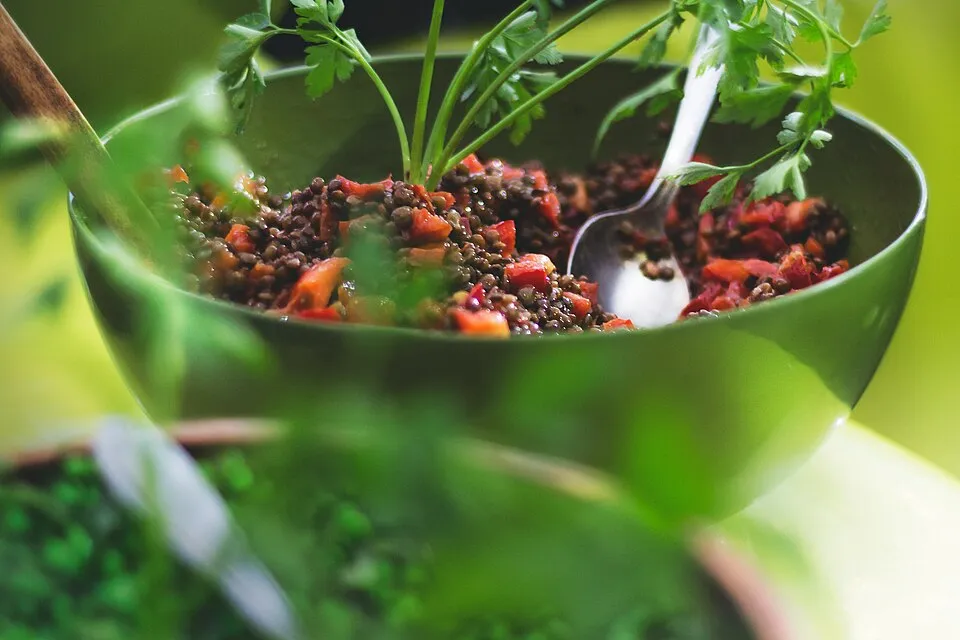
What actually helps — evidence-based gut health strategies?
Prioritize fiber, genuinely. Most adults fall well short of recommended fiber intake, and fiber is one of the most consistently evidenced ways to support a diverse, healthy gut microbiome — vegetables, legumes, whole grains, and fruit all count.
Include fermented foods regularly. Yogurt, kefir, sauerkraut, and kimchi introduce beneficial bacteria through food, generally a more reliable approach than relying on supplements alone.
Stay hydrated. Adequate water intake supports digestive regularity directly and is one of the simplest, most overlooked levers here.
Manage stress. The gut-brain axis runs in both directions — chronic stress measurably affects gut function, tying back to the cortisol connection covered in our cortisol guide.
Move regularly. Physical activity supports healthy digestion and gut motility — our walking plan does double duty here.
When is it more than "just" gut health?
Worth a doctor's evaluation if symptoms are severe, persistent, or new and unexplained — significant changes in bowel habits, unintended weight loss, blood in stool, or pain that doesn't resolve are not things to attribute to hormones without ruling out other causes first, including conditions like IBS, celiac disease, or inflammatory bowel disease.
Frequently asked questions
Does gut health really change after 40?
Yes — declining estrogen is linked to measurable changes in gut microbiome diversity during the menopause transition, a genuine hormonal effect, not just coincidence.
Is the gut-mood connection real, or just a wellness trend?
Real and increasingly well-studied. The gut produces significant serotonin, and gut bacteria communicate with the brain through the documented gut-brain axis.
Do probiotic supplements actually help?
Some strains have real evidence for specific issues, but they're not universally interchangeable. Food sources like yogurt and kefir are a reasonable starting point.
How is this different from the bloating we've already covered?
Broader — bloating is one visible symptom of a wider gut health picture that also touches mood, digestion generally, and weight.
Sources
- The Menopause Society — estrogen and gut microbiome research. menopause.org
- National Institute of Diabetes and Digestive and Kidney Diseases (NIDDK) — gut-brain axis. niddk.nih.gov
- Harvard T.H. Chan School of Public Health — fiber and gut health. hsph.harvard.edu

Chris S. — Founder & Writer
Chris is 46 and living the same chapter she writes about. She started The Well Chapter to turn solid sources into calm, practical guidance for women navigating the changes that come after 40 — without hype, fear, or miracle promises.